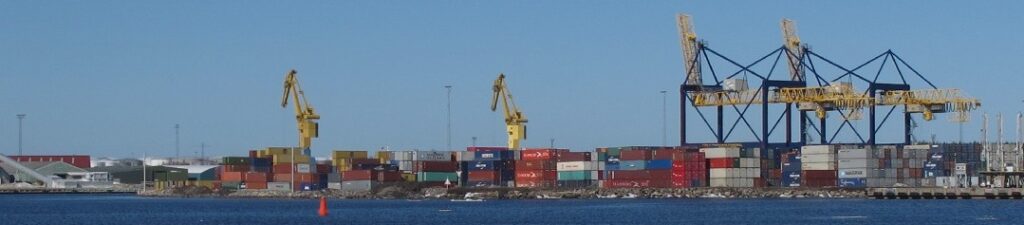

Keeping It Cold, Keeping It Moving
Specialised Infrastructure for Temperature-Sensitive Cargo
From seafood exports on Sweden’s west coast to vaccine shipments crossing the Baltic, the movement of temperature-controlled goods demands more than punctuality—it requires precision, protection, and purpose-built infrastructure. At Cold Chain Logistics, we support the development and operation of resilient cold chain systems across Swedish ports and Baltic shipping corridors.
Whether you’re handling fresh produce, pharmaceuticals, or frozen cargo, our focus is clear: ensure integrity from origin to destination.
The Baltic Challenge
Operating a cold chain in the Baltic Sea region isn’t straightforward. Ports must balance climate variability, tight delivery schedules, and seasonal surges, all while managing sensitive cargo that can’t afford delays or thermal deviations.
Our solutions are designed for these conditions:
- Energy-efficient cold storage facilities
- Reliable reefer container handling and plug-in capacity
- Integrated temperature monitoring and data logging
- Fast transfer to rail or road with insulated last-mile options
We understand the balance between Swedish environmental regulations and the demands of international trade—and we help ports and logistics providers meet both.
Built Around Swedish Trade Flows
Sweden is both an importer and exporter of cold chain cargo—from fresh fish and dairy to industrial chemicals and biopharmaceuticals. Ensuring a stable cold chain is vital not only for product safety but also for market credibility.
We support:
- Regional seafood distribution hubs in northern Sweden
- Temperature-controlled warehousing near ferry and container terminals
- Customs-compliant inspection points for sensitive imports
- Short-sea routes optimised for high-turnover perishables
Our work aligns with the operational needs of small-to-mid-size Swedish ports as well as larger multi-modal hubs.
Efficiency Meets Sustainability
Cold chain logistics must be robust—but also resource-conscious. We integrate energy-saving technologies, shore power systems, and smart cooling strategies to reduce environmental impact without compromising performance.
This includes:
- CO₂-reducing refrigeration systems
- Real-time cargo visibility and remote diagnostics
- Efficient layout planning to minimise dwell times and handling risks
Baltic Connectivity with a Cold Edge
Sweden’s maritime position gives it a unique role in cold chain logistics across the Baltic Sea. With the right infrastructure, even small and mid-sized ports can serve as agile, compliant, and competitive nodes for high-value refrigerated trade.
At Cold Chain Logistics, we help you build that capacity—with systems engineered for Nordic reliability and international reach.
Ready to future-proof your cold chain infrastructure?