Building for the Future: Smart Master Planning for Small and Medium Ports
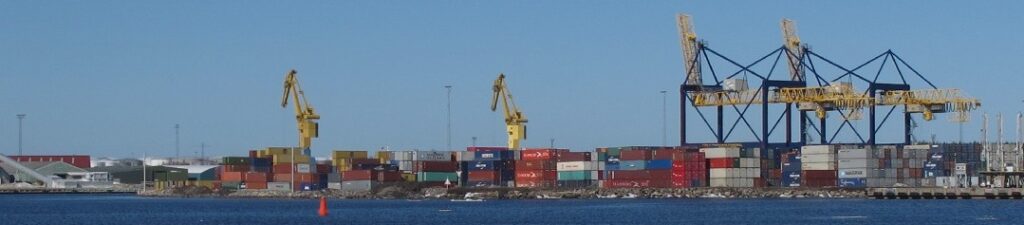
Sweden’s coastline is dotted with small and medium-sized ports—each playing a vital role in regional trade, industry, and community development. But as cargo volumes shift, infrastructure ages, and sustainability targets tighten, the question is no longer whether to expand, but how to do it strategically.
At Port Master Planning, we guide Swedish port authorities, municipalities, and terminal operators through tailored, forward-looking development strategies—designed to maximise growth while preserving efficiency, environmental integrity, and local value.
Planning for Resilience, Not Just Capacity
Baltic ports face a unique combination of challenges: seasonal operations, shallow drafts, constrained footprints, and increasingly complex logistics. Master planning isn’t about drawing bigger harbours—it’s about aligning infrastructure, land use, and operations to realistic future needs.
Our planning approach focuses on:
- Multi-phase development that aligns with funding cycles and demand
- Flexible use of space for changing cargo types and modal connections
- Environmental assessments embedded early in the process
- Stakeholder coordination across public, private, and community interests
Whether it’s a bulk terminal in Kalix or a ferry port in Karlshamn, we create plans that are grounded in Swedish port realities and Baltic regional context.
What We Deliver
Our port master planning services are structured to support projects from early concept to investment-ready documentation:
- Baseline assessments: traffic, land use, nautical conditions
- Long-term layout and expansion concepts
- Zoning and interface strategies (e.g., port-city, port-industry)
- Sustainability integration and climate resilience scenarios
- Phasing plans, cost modelling, and governance strategies
- Compatibility with Swedish regulatory frameworks and EU funding requirements
Small Ports, Big Strategic Potential
Too often, smaller ports are overlooked in favour of large-scale hubs. But in Sweden, small and mid-sized ports are the connective tissue—supporting forestry, energy, aquaculture, tourism, and short-sea shipping. With the right plan in place, these ports can:
- Unlock new cargo opportunities
- Serve as pressure relief for congested corridors
- Strengthen local job markets and export readiness
- Lead in sustainable, low-impact maritime development
We help make that happen—with scalable, realistic, and site-specific master plans.
Let’s Plan the Port You’ll Need Tomorrow
Port development takes time. The choices made today—about layout, infrastructure, and environmental impact—will shape the next 30 years of operations. At Port Master Planning, we work to ensure those choices are smart, supported, and built to last.
Let’s start shaping the future of your port—strategically, sustainably, and in sync with Sweden’s evolving maritime landscape.