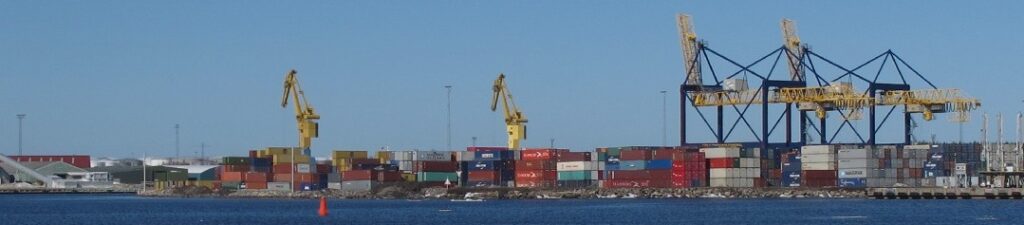

Measuring What Matters
Environmental Performance Indicators for Smarter, Greener Ports
Sustainability in ports is no longer defined by ambition alone—it’s measured by results. Across Sweden and the Baltic region, ports are under increasing pressure to quantify their environmental impact, report transparently, and continuously improve. That’s where Sustainability KPIs (Key Performance Indicators) come in.
At Port Sustainability KPIs, we help ports develop and apply robust, practical, and standardised metrics that reflect real environmental performance—turning sustainability from a goal into a trackable outcome.
Why Sustainability Metrics Matter for Ports
Ports are complex ecosystems. From vessel traffic and cargo handling to energy use and water discharge, every activity has an environmental footprint. With growing regulatory, investor, and community expectations, ports must demonstrate that their operations are accountable, transparent, and improving over time.
Sustainability metrics help ports:
- Track progress toward environmental goals
- Comply with Swedish and EU regulations
- Qualify for green funding and certification schemes
- Benchmark performance within the Baltic Sea region
- Communicate clearly with stakeholders and the public
What Should Ports Measure?
While every port has unique characteristics, several core KPIs form the basis of effective environmental reporting. We support the development of customised frameworks based on:
- Air emissions: CO₂, NOx, SOx, PM from port operations and vessel calls
- Energy consumption: Port-wide and by activity (cranes, lighting, buildings)
- Waste management: Recycling rates, hazardous waste handling, MARPOL compliance
- Water quality and use: Discharge monitoring, stormwater runoff, freshwater usage
- Noise and light pollution: Impacts on urban surroundings and wildlife
- Biodiversity indicators: Impacts on marine habitats and shoreline ecosystems
We align metrics with recognised standards such as EcoPorts, ISO 14001, Green Marine Europe, and Swedish national guidelines.
From Data Collection to Decision-Making
Gathering data is only the first step. The real value lies in using that data to guide action, inform policy, and optimise operations. We support ports in developing full-cycle sustainability tracking systems that include:
- Digital tools for automated data capture and reporting
- Baseline assessments and target-setting workshops
- Integrated dashboards for management and public reporting
- Stakeholder engagement tools for transparency and credibility
- Scenario modelling for emissions reduction and energy transition planning
Sweden’s Leadership in Environmental Performance
Swedish ports are already at the forefront of environmental innovation—but maintaining that leadership means tracking what matters and reporting it consistently. Whether you’re a major container port or a regional Ro-Ro terminal, sustainability metrics are the foundation for continuous improvement and international competitiveness.
We help your port turn values into verified results—measurable, actionable, and aligned with the future of Baltic maritime transport.
Let’s build your environmental performance strategy on data that speaks for itself.