Future-Proofing Sweden’s Ports
Building Resilient Infrastructure for a Changing Climate
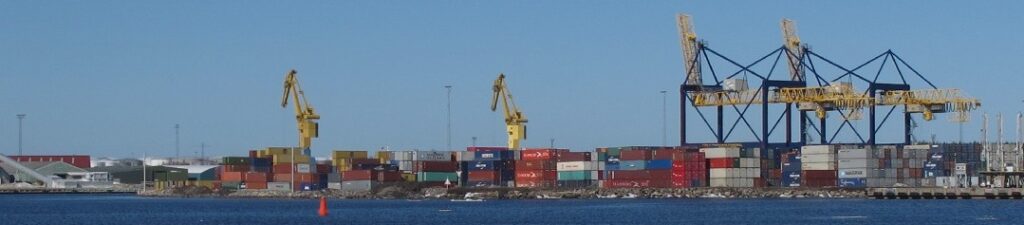
Ports are on the frontline of climate change. Rising sea levels, shifting ice conditions, stronger storms, and temperature extremes are no longer future risks—they’re active stressors impacting the reliability, safety, and longevity of port infrastructure across Sweden and the wider Baltic Sea region.
At Port Resilience, we help ports adapt, upgrade, and prepare—with infrastructure strategies built to endure and evolve under increasing environmental pressure.
Climate Risks Facing Baltic Ports
Sweden’s ports—particularly along the Bothnian Bay and Baltic coast—face a mix of slow-moving and acute climate impacts. Each location is unique, but common risks include:
- Sea level rise and coastal erosion
- Increased storm surges and wave loading
- More frequent freeze-thaw cycles and ice impact
- Heat-related strain on pavements, rails, and utilities
- Drainage failures from extreme rainfall events
Without mitigation, these risks translate into operational delays, structural failures, and rising maintenance costs.
Building Resilience Into Infrastructure Design
We work closely with port authorities, engineering teams, and municipalities to embed climate resilience into every stage of infrastructure development—from early planning through to asset management.
Our services include:
- Vulnerability assessments based on site-specific climate data
- Resilient design standards for quay walls, terminals, and access roads
- Green infrastructure integration (e.g. permeable surfaces, natural buffers)
- Emergency preparedness planning and business continuity systems
- Retrofit strategies for existing infrastructure under threat
All solutions are tailored to Swedish environmental policy, national climate goals, and Baltic Sea coastal dynamics.
Resilience Is an Investment, Not an Option
In many cases, the cost of preventive adaptation is far less than the cost of post-impact recovery. By investing in resilient design today, Swedish ports can:
- Extend the service life of assets
- Reduce insurance and repair costs
- Minimise downtime after extreme events
- Maintain reliability for cargo owners and partners
- Position themselves as leaders in sustainable maritime development
With growing access to EU climate funding, national support, and technical innovation, resilience is not only achievable—it’s increasingly expected.
Climate Adaptation for the Next Generation of Baltic Ports
From small municipal harbours to regional logistics hubs, climate resilience must become a core part of port development strategy. At Port Resilience, we help Sweden’s maritime sector rise to the challenge—creating ports that don’t just withstand change, but operate more efficiently because of it.
Let’s secure the future of Baltic trade—one resilient port at a time.