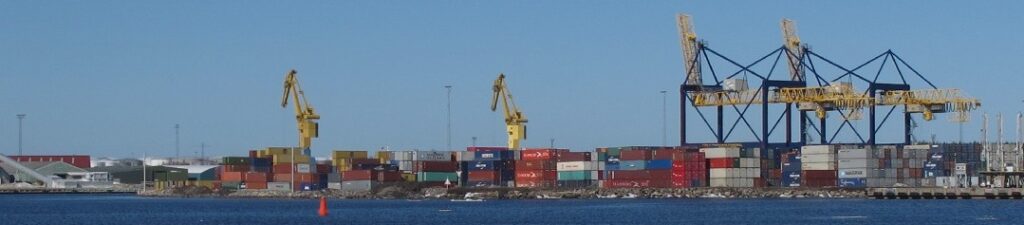

Smarter Ports, Smoother Flows
Optimising Logistics Through Digital Technologies
In Sweden and throughout the Baltic region, the future of port logistics isn’t just physical—it’s digital. As trade volumes grow and sustainability targets tighten, ports are under pressure to move more cargo, more efficiently, with fewer resources. That’s where Digital Port Operations comes in.
By integrating smart systems, real-time data, and automation, we help Swedish ports streamline logistics, reduce delays, and unlock new levels of operational visibility.
Why Digitisation Matters for Swedish Ports
Baltic ports—particularly those in Sweden—operate in a competitive and seasonal environment. Variations in weather, cargo type, and vessel size demand adaptive infrastructure supported by flexible digital tools.
Our solutions enhance:
- Cargo tracking across multiple modes (sea, rail, road)
- Port call optimisation and berth scheduling
- Automated gate operations and terminal access control
- Digital twins and infrastructure health monitoring
- Sustainable performance tracking for green reporting
This isn’t about technology for its own sake—it’s about helping Swedish ports remain resilient, efficient, and internationally competitive.
Built for the Baltic Context
Sweden’s ports vary in size, specialisation, and technical readiness. From smaller bulk terminals in the north to multi-modal hubs in the south, our approach is scalable, modular, and grounded in Nordic conditions.
We support:
- Custom integration with national and EU logistics platforms
- Interoperable systems for coordination with customs, carriers, and freight forwarders
- Language and compliance alignment with Swedish regulatory frameworks
- Cybersecurity measures tailored to critical maritime infrastructure
From Data to Decisions
Digitalisation is more than automation—it’s about turning real-time data into smart decisions. We help ports capture and use data to reduce congestion, manage energy use, and make long-term infrastructure planning more agile.
Examples include:
- Predictive maintenance of quay cranes and container handling equipment
- Smart yard management with AI-based traffic routing
- Live dashboards for environmental and throughput KPIs
A Digital-First Future for Baltic Logistics
As Sweden pushes forward with digital infrastructure goals and green transport strategies, its ports are becoming testbeds for next-generation logistics. By embracing smart port technologies today, we lay the groundwork for faster, cleaner, more connected supply chains across the Baltic Sea region.
Let’s move the Baltic forward—one smart system at a time.